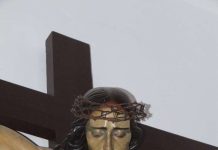
The celebration of Holy Week in Badajoz is presented as a captivating fusion of religiosity, history, art, color and austerity, achieving recognition as a “Festival of National Tourist Interest” in 2011. This event goes beyond being simply religious; It is a living testimony of the rich history, exceptional art, palpable devotion and deep-rooted tradition of the city.
With roots dating back to the 16th century, Holy Week in Badajoz has been carried out by more than forty brotherhoods over the years, although currently there are eleven that parade through the picturesque streets of the old town. These brotherhoods, each with its own history, present monuments and works of art in various parts of the city, carrying out this work with the silent collaboration of the costaleros, in charge of carrying the steps.
The celebration begins on Friday of Sorrows and ends on Easter Sunday. Each day is marked by unique and emotional processions, with Holy Thursday being the one of greatest significance, with the departure of the Patroness, the Virgin of Soledad.
Badajoz, with an extensive religious history over the centuries, is reflected in the abundance of churches and convents that characterize it. Some of these buildings survive to this day, while others were destroyed at different times in history. This historical context has been conducive to the flourishing of Holy Week in the city.
The Convent of the Calzados Trinitarios Fathers of the Redemption of Captives of the Holy Trinity and the Church of San Andrés are the oldest documented Christian buildings, both dating back to the year 1274. Over the centuries, Badajoz has lost and preserved various religious buildings , like the Convent of San José, located next to the Arab Alcazaba.
The primitive Ermita de la Soledad, built in 1664 to house the Virgin of Soledad, the current Patroness of Badajoz, suffered damage during the War of Independence and was eventually demolished. In 1935, the new hermitage was inaugurated, becoming a significant place of worship for the inhabitants of Badajoz.
The Holy Metropolitan Cathedral Church of Badajoz, consecrated in 1276 and completed centuries later, has been the scene of historical events, including five royal weddings, being a clear example of the intersection between art and religiosity. The possibility of visiting the numerous temples of Badajoz offers visitors the opportunity to explore the details of each one, as well as the various images and works of art that they house inside, constituting a true luxury for lovers of history and culture. culture.