
Being recognized with the title of “Festival of National Tourist Interest” in 2011, Holy Week in Badajoz is presented as a striking set of spirituality, history, artistic expressions, vibrant colors and sobriety.
The roots of the Semana Mayor of Badajoz go back to the 16th century, witnessing the parade of more than forty brotherhoods through its streets over the years. Currently, eleven of these brotherhoods, each with its own narrative, display monuments and works of art throughout the charming corners of the old town. This artistic display is possible thanks to the dedicated work of the costaleros, who assume the responsibility of carrying the processional steps.
The festival begins on Friday of Sorrows and concludes on Easter Sunday, with each day marked by exclusive and emotional processions. Holy Thursday stands out as the most significant, with the departure of the Patroness, the Virgin of Soledad, encapsulating not only a religious event, but a living testimony of the rich history, exceptional art, palpable devotion and traditions rooted in the essence of the city.
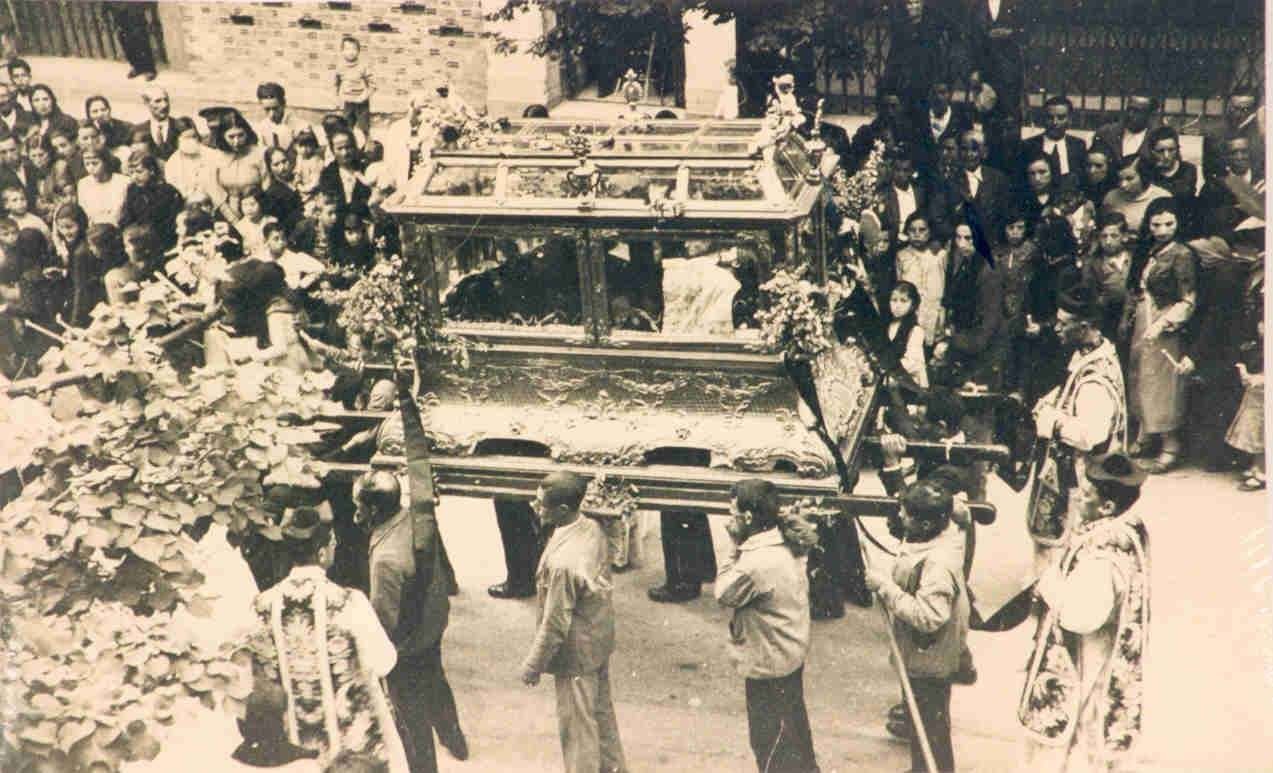
The Magna Procession of the Holy Burial, an extraordinary celebration that takes place every five years in Badajoz, brings together all the brotherhoods of the city with their respective steps.
This inaugural event took place during Holy Week in 1949, after the signing of the agreement by the Board of Penitence Brotherhoods in Badajoz on February 13 of that same year. The meticulous organization of this event, disclosed in detail, contributed to the order and splendor of the procession. Starting at 5 in the afternoon, the different Brotherhoods and Brotherhoods began their departures from the churches, joining the official itinerary at 5:45 a.m. The unified processional parade was completed from the emblematic Plaza de la Soledad, where they converged to cover the entire route.
Each step was preceded by the Brotherhood’s Guiding Cross, its Parish Cross, banners and Governing Board, with the Nazarenes flanking the side rows. The steps were escorted by soldiers from the Infantry, Armed Police and Civil Guard.
After a pause, the Magna Procession of the Holy Burial resumed in 2007, with the participation of twelve steps and more than 4,000 people, including costaleros, Nazarenes, members of the government boards of all the brotherhoods, civil and military authorities, and musical bands.


